The SSE, over 50 years of history...
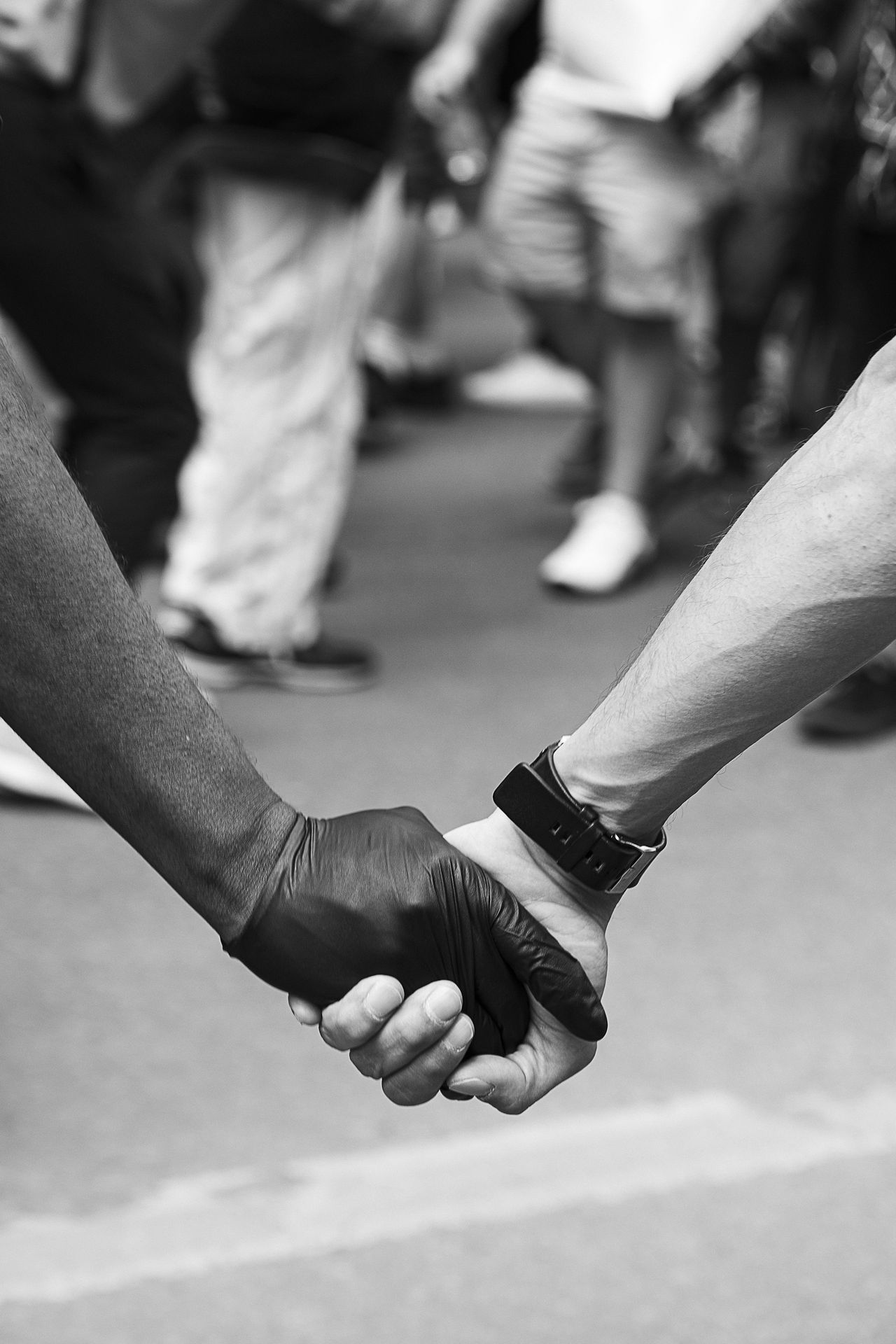
Photo: Adrian Curiel / Unsplash
Since 1973, the Social Service for Foreigners in Liège has evolved in response to the realities encountered in the field and the needs of foreign individuals and those of foreign origin. .
From welcoming and supporting the first migrant families to the actions carried out today, our history is one of commitment that adapts, transforms, and continues. .
Our journey at a glance
The Birth of SSE
The Foreigners' Social Service of Liège was established as an informal association supported by the Protestant Church. The association addresses the initial emergencies faced by migrant workers and foreign students and already offers literacy courses.
First Humanitarian Emergencies
The SSE adapts its actions to welcome and guide the first waves of refugee families from Southeast Asia (Laos, Vietnam, Cambodia).
The creation of the non-profit organization
The SSE is officially structured as a non-profit organization. This step marks the professionalization of the team and the implementation of the tripartite model involving EPUB, Siréas, and SSE Liège.
Lifelong Learning
The SSE is recognized in Lifelong Learning. Empowerment, autonomy, and the development of critical thinking become the core of associative action.
New integration programs
Faced with changes in asylum and the arrival of new communities from the Middle East, the SSE is developing tailored support and integration programs.
Combating Dropout & Empowerment
The SSE is diversifying its activities by implementing a school support initiative (homework schools). Meanwhile, the Meeting Space is developing workshops for migrant women.
The Rise of Interculturality
The Meeting Space is evolving into the "Better Living Together" project, dedicated to community cohesion, cultural discovery, and intercultural dialogue. Initially reserved for women, the project is becoming fully mixed to promote living together on a neighborhood-wide scale.
Structuring of training courses
French as a Foreign Language (FLE) courses are officially structured by levels. At the same time, the association has been involved since 2012 in experimental modules for civic integration training (FIC).
The Walloon Integration Path
The year 2014 was marked by the adoption of the Walloon decree establishing the Integration Pathway for newcomers. Drawing on the experience gained during the experimental phase of the Civic Integration Training modules (FIC), our team immediately adapted its practices and launched the Civic Orientation Workshops (AOC).
Draw me a migrant
The SSE is launching this citizen awareness project aimed at deconstructing stereotypes related to migration and the people affected by it, particularly through activities.
A passing of the baton
After three decades in coordination, director and social worker Michel Malherbe is retiring. The team is reorganizing to ensure the continuity and sustainability of the SSE's work.
An unwavering belief
With over 50 years of history, the SSE continues its commitment to welcoming, supporting, training, and building social cohesion through dialogue and dignified access to rights.
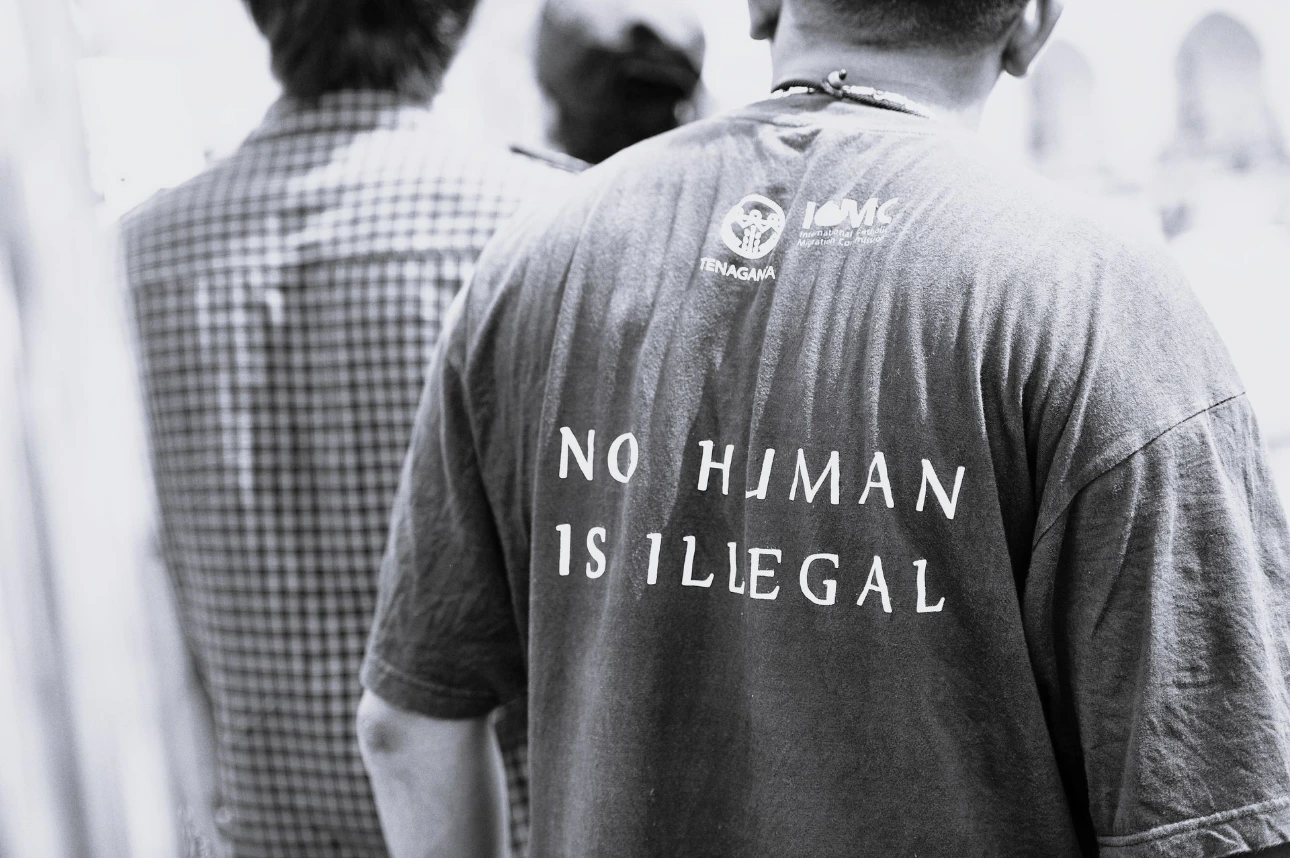 Photo: Gianni Zanato / Unsplash